Kitesurfing, Windsurfing and Surfing on Sal – the Season, the Spots and the Honest Beginner Advice
Updated September 24, 2026 · 6 min read
Sal has a reputation among wind sports people that it does not have among ordinary holidaymakers, and the reason is the north-east trade winds. From roughly November to April they blow almost daily at 15 to 25 knots, sometimes more, and they do it with a reliability that the Mediterranean and the Canaries cannot match in winter. Some schools stretch the season to June; the core of it is the winter half of the year.
This is worth knowing even if you never intend to hold a kite, because it is the single fact that decides when you should come and what you will find when you get here. The wind that makes Sal famous is the same wind that blows sand across your towel and puts a chop on every boat trip.
Two spots, and they are not interchangeable
Kite Beach, a few kilometres north of Santa Maria, is where almost everyone learns. The wind comes in cross-onshore – across the beach and towards it – which is the safest direction for a beginner, because a mistake pushes you back to the sand rather than out to sea. The waves are small, the space is open, and the schools are lined up along it.
Ponta Preta, on the west coast, is the opposite of all of that. The wind is offshore, the waves come in fast and can run to several metres, and it has been a stop on the international kitesurfing tour since 2018. It is a spot for advanced and professional riders, and the sea there does not care how many holiday lessons you have had.
The distance between them is about fifteen minutes by road. The distance between them in every other sense is years.
The bookable offer is thin, and that tells you something
There are 133 activities on Sal in total. Exactly eight of them are wind sports, from €38, and between them they carry 98 reviews. A single island tour on the same island has 4,287.
That is not a measure of how much kitesurfing happens here – stand on Kite Beach on a January afternoon and you will count more sails than that in an hour. It is a measure of how it is sold: at the school desk, in person, for a week at a time, rather than as a two-hour online booking. If you are coming to Sal specifically to ride, you will be dealing with a school directly and you should expect to.
What is bookable in advance is mostly the first taste:
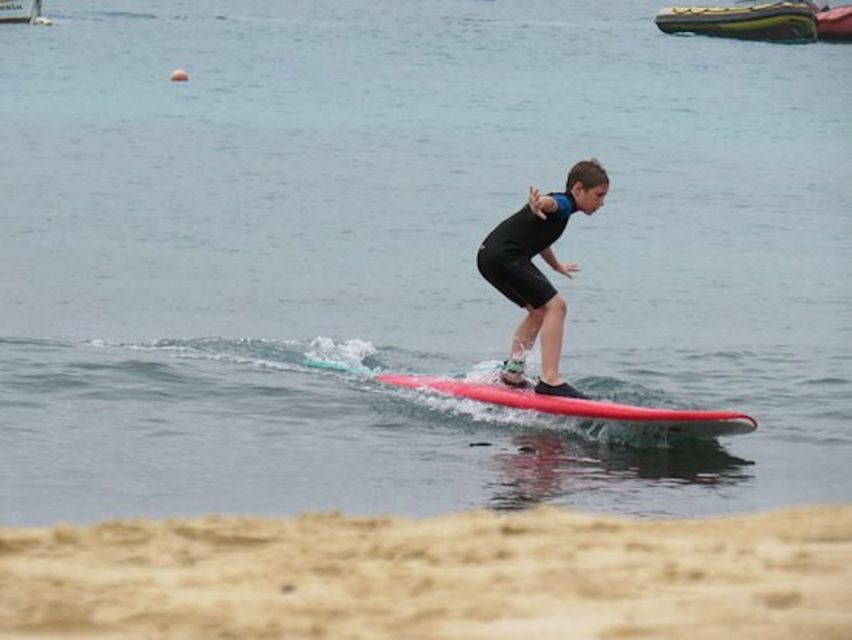
- A surf lesson of one hour from €38, private or in a group – the most-reviewed wind activity on the island with 86 reviews, which puts the size of this market in perspective.
- A group surfing lesson with all gear included, one hour from €50.
- Kitesurfing lessons, two hours from €150 – the jump in price is the instructor-to-student ratio and the equipment, and it is normal for the sport.
- Windsurf lessons of an hour and a half from €95, gear included.
- Group wingfoil lessons, two hours from €90, for the newest of the three disciplines.
A note on that last one: the listing advertises “perfect wind conditions all year round”. Take that as marketing. The trade winds are seasonal, and a week in September is not a week in February.
What one lesson will and will not do
Two hours of kitesurfing will teach you to fly a kite on land and, if things go well, to get dragged through the water holding it. It will not have you riding. Schools generally reckon on several days before a beginner rides upwind unassisted, and that is the number to plan around if riding is the point of the trip rather than the story.
Surfing is kinder to a single lesson. An hour on a foam board in the small waves near town is enough for most reasonably fit adults to stand up at least once, which is why the surf lesson is the one with the reviews.
If you want to try something on the water and you are not sure which, the honest order is: surf lesson first because it is cheap and immediate, wingfoil or windsurf second, kitesurfing only if you have days rather than hours.
Planning around the wind rather than against it
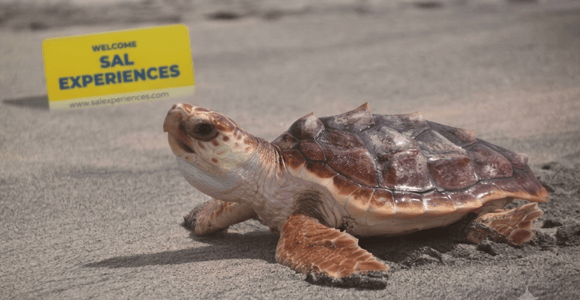
Here is the awkward bit that no operator will put in a headline. The wind season and the turtle season fall in different halves of the year. The trade winds run from November into spring; the loggerhead nesting season on Sal’s beaches runs from June to October, and the bookable watching tours run July to October. A trip built around one will miss almost all of the other.
The wind also shapes the rest of the day. Boat trips and snorkelling – 32 of them, from €28 – are calmer in the morning, because the wind builds through the afternoon for most of the year. That is the same reason the kite schools fill up after lunch. If you are combining a wind holiday with anything on the water, put the swimming and the snorkelling early and the sails late.
And if you are travelling with someone who does not ride, be straight with them about the season. Six months of dependable 20-knot wind is wonderful on a board and wearing on a sunlounger.